
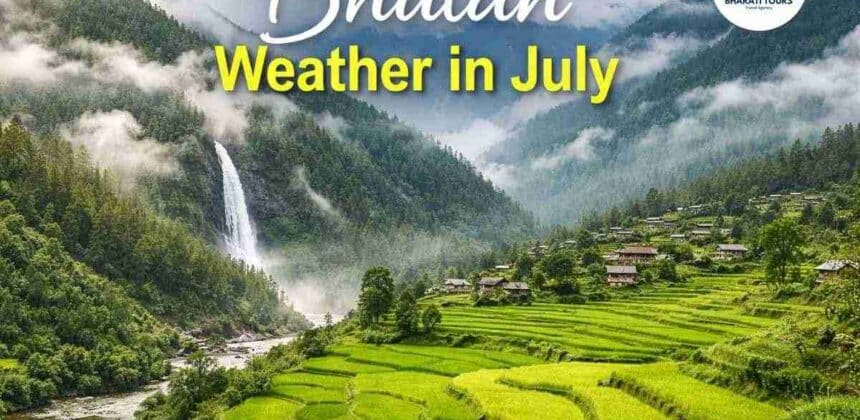
Bhutan Weather in July (2026): What Travellers Should Really Expect
Most travellers avoid Bhutan in July because of the rain—and in doing so, they miss one of the most vibrant and visually dramatic months in the country. July transforms Bhutan’s valleys into a lush green landscape filled with misty mountains, flowing rivers, and thriving rice terraces. For travellers who understand the rhythms of Bhutan’s monsoon climate, this month can offer a quieter, greener, and more immersive travel experience.
Planning a Bhutan trip in July often raises one big question—how is the weather during the monsoon season? While July is indeed the peak of Bhutan’s rainy season, the experience is far more nuanced than simple weather charts suggest. For travellers who understand the rhythms of Bhutan’s climate, July can reveal a quieter, greener, and more intimate side of the country.
At Bharati Tours, we regularly guide travellers during the summer months and help them experience Bhutan comfortably despite the monsoon. Understanding what July weather actually looks like on the ground helps travellers plan better and make the most of this unique travel window.
Overview of Bhutan Weather in July
July falls right in the middle of Bhutan’s monsoon season, influenced heavily by the Indian summer monsoon. The country experiences warm temperatures, high humidity, and regular rainfall, particularly in the southern foothills and western valleys such as Paro and Thimphu.
However, rainfall does not usually last the entire day. In many regions, mornings are often relatively clear while heavier showers develop later in the afternoon or evening.
During bhutan weather in june, the landscape becomes extremely lush and vibrant. Valleys turn rich green, rice terraces fill with water, waterfalls flow strongly through mountain cliffs, and forests appear fresh, dense, and full of life, making it a beautiful time for nature lovers.
Another interesting seasonal highlight that begins around July is Bhutan’s famous Matsutake mushroom season. These rare and highly prized mushrooms grow naturally in Bhutan’s forests and are celebrated in local cuisine. Travellers booking with a Bhutan Tour Operator in West Bengal and visiting places like Thimphu or Bumthang during this time may get the chance to taste traditional dishes featuring fresh Matsutake mushrooms, offering a unique culinary experience during the monsoon months.
Average Temperature and Rainfall in July
Bhutan’s climate varies significantly depending on altitude, but July generally brings warm days and cool evenings in most major travel regions.
| Location | Average Day Temperature | Night Temperature | Rainfall (Approx.) |
| Paro Valley | 18°C – 23°C | 10°C – 14°C | 500+ mm |
| Thimphu | 17°C – 22°C | 11°C – 14°C | 450+ mm |
| Punakha | 22°C – 27°C | 16°C – 19°C | 400+ mm |
| Southern Bhutan | 25°C – 30°C | 20°C – 23°C | Very heavy rainfall |
Most of Bhutan’s annual rainfall occurs between June and August, with July typically being the wettest month.
Despite the rain, temperatures remain comfortable compared with many tropical destinations, especially in the higher valleys.
How Rain Typically Falls in Bhutan During July
One common misconception is that Bhutan experiences constant rain throughout July. In reality, rainfall patterns are more intermittent.
Typical monsoon patterns often look like this:
- Clear or lightly misty mornings
- Increasing cloud cover by midday
- Afternoon showers or thunderstorms
- Rain is tapering off during the night
This pattern means many bhutan activities can still happen comfortably during the first half of the day.
At Bharati Tours, we usually plan sightseeing earlier in the day during July itineraries to maximise clear weather windows for our guests.
Regional Weather Differences Across Bhutan
Bhutan’s mountainous geography creates several microclimates. Weather conditions in July can differ noticeably from one region to another.
Western Bhutan (Paro, Thimphu, Punakha)
These are the main tourist regions that receive moderate to heavy monsoon showers. The valleys remain warm but rarely excessively hot due to elevation.
Cloud cover is common, but visibility can improve after rainfall when the air clears.
Central Bhutan (Bumthang)
Bumthang sits at a higher elevation and tends to receive slightly less rainfall compared with the western valleys. Temperatures are cooler, and the region often experiences misty mountain scenery, making it a peaceful destination often included in Bhutan Packages from Bagdogra for travelers seeking calm landscapes and scenic beauty.
This area can be a pleasant alternative destination during the monsoon season.
Southern Bhutan
Regions near the Indian border are tropical and receive the heaviest rainfall during July. Humidity levels are high, and temperatures are warmer compared with the high valleys.
Most travellers pass through this region when entering Bhutan by road.
Landscape and Natural Beauty in July
While the monsoon brings rain, it also transforms Bhutan’s landscapes into some of their most dramatic forms.
Rivers swell with fresh mountain water, forests become vibrant green, and waterfalls appear along mountain roads that remain dry for most of the year.
Rice terraces across valleys such as Punakha and Paro look particularly beautiful during July because the fields are freshly planted.
Travellers who appreciate nature photography often enjoy the soft lighting and misty mountain views created by monsoon clouds, making it an ideal experience when planning a Bhutan Tour from Alipurduar Junction for capturing stunning landscapes and serene natural beauty.
Can You Visit Major Attractions in July?
Yes, most of Bhutan’s major attractions remain accessible during July.
However, trekking trails at higher elevations may become muddy or slippery due to rainfall. Instead of long mountain treks, travellers often focus more on cultural sightseeing and valley exploration.
Popular activities still possible include:
- Visiting monasteries and dzongs
- Cultural tours in Thimphu and Paro
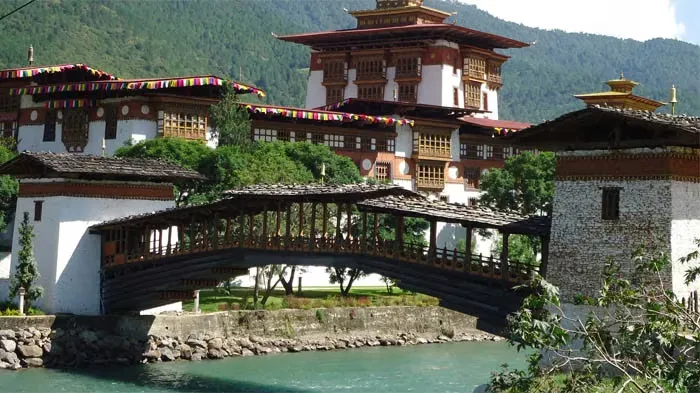
- Exploring Punakha Dzong and the surrounding villages
- Local markets and Bhutanese museums
- Short scenic hikes when the weather allows
Even famous hikes like the Tiger’s Nest Monastery can still be completed with proper footwear and rain gear.
At Bharati Tours, we carefully plan July itineraries to balance sightseeing, culture, and weather conditions so that travellers remain comfortable throughout the trip.
Travel Challenges During July
Although Bhutan can still be visited in July, travellers should be aware of a few logistical challenges typical during the monsoon.
Possible travel considerations include:
- Occasional flight delays into Paro due to cloud cover
- Slippery hiking paths after rainfall
- Reduced mountain visibility on some days
- Possibility of minor road delays due to landslides
These issues are not daily occurrences, but they are worth considering when planning travel during the monsoon season.
This is one reason why many travellers prefer booking through experienced operators who understand how to adjust itineraries when weather conditions change.
Unique Advantages of Visiting Bhutan in July
Despite being the wettest month, July also offers several travel advantages that many visitors appreciate.
First, Bhutan receives significantly fewer tourists during this time. This creates a quieter travel experience at famous landmarks that are usually crowded during peak autumn months.
Second, hotel availability is often better, allowing travellers to enjoy comfortable accommodations and more personalised service.
Third, Bhutan’s countryside looks exceptionally vibrant during the monsoon. Valleys, rivers, and forests appear at their most alive.
Many of our travellers at Bharati Tours mention that July allowed them to experience Bhutan more peacefully and authentically.
Festivals and Cultural Experiences in July
Bhutan’s cultural calendar continues even during monsoon months. One notable event that sometimes takes place in July is the Haa Summer Festival.
This cultural festival celebrates the traditions of the Haa Valley and showcases Bhutanese food, music, archery competitions, and nomadic culture.
Smaller local festivals may also occur in central Bhutan, offering visitors the chance to witness traditional masked dances and community gatherings.
Experiencing these events during a quieter travel season often feels more intimate compared with peak festival months.
Packing Essentials for Bhutan in July
Travelling during the monsoon season requires thoughtful packing to remain comfortable throughout the trip.
Essential items include:
- Waterproof rain jacket
- Light breathable clothing
- Sturdy hiking shoes with grip
- Compact travel umbrella
- Quick-dry trousers
- Waterproof backpack cover
- Insect repellent
When choosing rain gear, breathable waterproof jackets made with fabrics like Gore-Tex or other moisture-wicking layers are highly recommended. Bhutan’s July climate can be humid, so heavy plastic ponchos often make travellers feel uncomfortable and sweaty while walking.
Layered clothing is still useful because evenings in higher valleys can feel cool after rainfall.
Our team at Bharati Tours also provides detailed packing guidance before departure so travellers are well prepared for Bhutan’s monsoon climate.
Is July a Good Time to Visit Bhutan?
July may not be the most popular month for trekking, but it offers a different type of travel experience.
Travellers who enjoy quiet destinations, dramatic landscapes, and cultural exploration often find July surprisingly rewarding. The lush scenery and peaceful atmosphere create a very different perspective of Bhutan compared with the busier autumn months.
With proper planning, flexible itineraries, and knowledgeable local guides, visiting Bhutan during the monsoon can still be an enjoyable journey.
Planning Your Bhutan Trip with Bharati Tours
At Bharati Tours, we specialise in designing Bhutan travel experiences that adapt to seasonal conditions while maintaining comfort and safety.
Our itineraries during July are carefully structured with flexible sightseeing schedules, experienced drivers familiar with mountain roads, and local guides who monitor weather conditions closely.
This approach allows travellers to enjoy Bhutan’s cultural highlights, scenic valleys, and monasteries without worrying about the logistical challenges that monsoon travel can sometimes bring.
If you are considering a Bhutan trip in July 2026, our team at Bharati Tours will be happy to guide you with expert advice, customised itineraries, and complete travel support to ensure a smooth and memorable Himalayan journey.
You can also find Bharati Tours on Google My Business (GMB) to check verified reviews, compare prices, and explore real customer photos before booking your Dooars adventure.
Read More Related Post
- River Rafting in Teesta
- Dooars Jungle Safari
- White Water Rafting in Teesta River
- Tourist Spot at Dooars
- Dooars Tourist Places
Ready to Book Your Bhutan Family Trip?
Let our experts create a custom itinerary for your family — completely free of charge.