
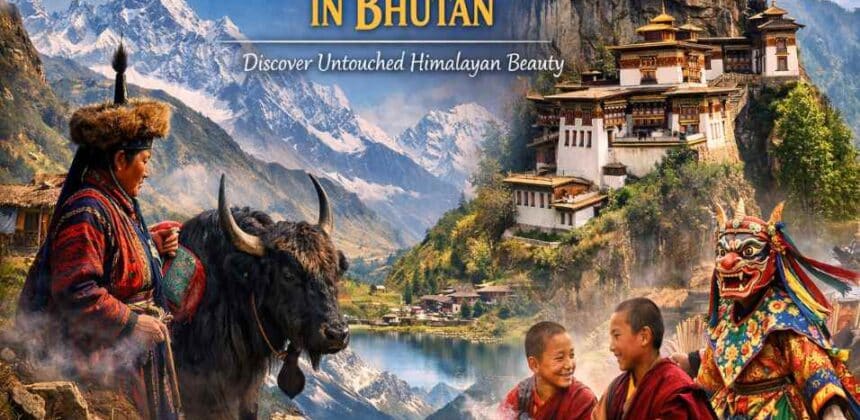
Top Hidden Spots in Bhutan To Travel in 2026
Bhutan is often known for the iconic Tiger’s Nest, but the country hides many quieter, magical corners. These secret valleys and offbeat trails give travellers a chance to feel the heart of Bhutan’s culture and nature, away from crowds. Its focus on Gross National Happiness and the Sustainable Development Fee helps keep these places calm and pristine.
In the Phobjikha Valley, black-necked cranes glide over misty wetlands each winter, creating a scene of rare beauty. Elsewhere, tiny villages host ancient rituals that reveal Bhutan’s deep spiritual roots. Exploring these hidden gems offers more than sightseeing—it’s a journey into mindful living and untouched landscapes.
For those seeking offbeat Bhutan, the secret valleys, lesser-known monasteries, and quiet trails promise a truly immersive experience, far from tourist paths. Every step in these secluded spots feels like discovering Bhutan’s soul in its purest form.
TL;DR
This Bhutan hidden places list gives a quick look at offbeat Bhutan destinations and secret Bhutan valleys. These Bhutan travel highlights help readers quickly see the unique culture, nature, and experiences covered below.
- Laya Village – Brokpa culture yak herders
- Gasa – Remote hot springs trekking routes
- Panbang – Subtropical forests eco tourism gateway
- Gelephu – Emerging mindfulness city eco lodges
- Lhuentse – Traditional Kishuthara silk weaving villages
- Trashigang – Eastern monasteries’ vibrant cultural festivals
- Tang Valley – Heritage villages, palace trails
- Ura Valley – Pine-scented valleys festivals
Explore details in the sections below.
The Remote North – Icy Hidden Gems
Northern Bhutan is a world apart. High in the Himalayas, this region is sparsely populated and hard to reach. Visitors are rewarded with icy landscapes, quiet villages, and rich local culture that feels untouched by time.
Laya Village – The Roof of Bhutan
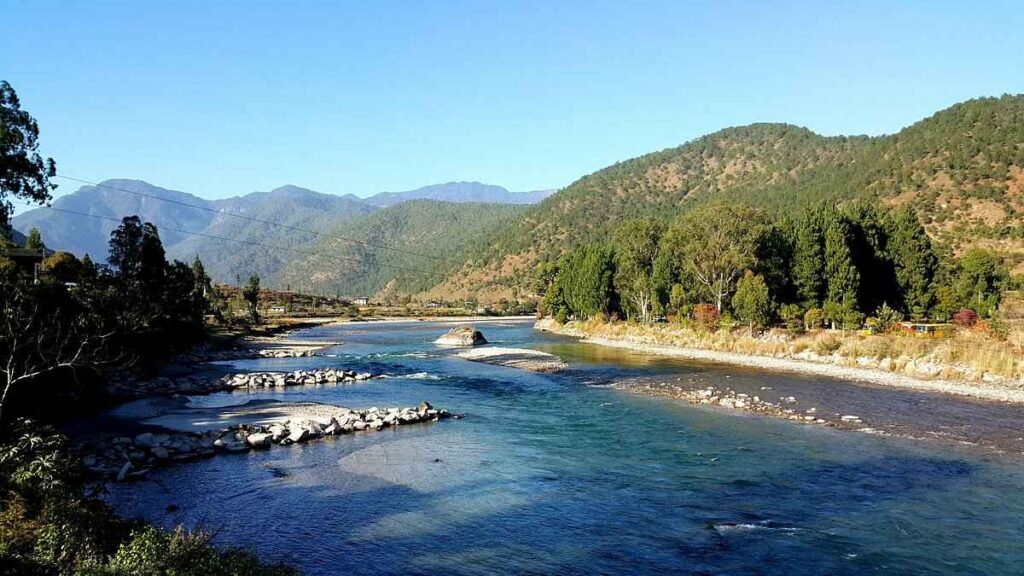
Laya Village sits at the top of Bhutan, a semi-nomadic settlement where the Brokpa people herd yaks and live close to nature. Trekking here is challenging but rewarding, especially during Bhutan Weather in March, when the air is cold yet clear. The wind carries a hint of lingering snow, and the atmosphere feels raw and untouched. Festivals light up the village with colour, music, and local tradition, creating warmth against the crisp Himalayan spring.
Vibe-Check:
- Spot: Laya Village
- Vibe: Remote, icy, serene
- Don’t Miss: Brokpa hand-woven wool caps and yak cheese tasting
Gasa – Thermal Springs and Highland Trails
Gasa offers a mix of adventure and calm, especially during Bhutan Weather in February, when crisp mountain air and clear skies create a peaceful atmosphere. Its natural hot springs, Gasa Tsachu, are perfect for soaking tired muscles after long treks. Trails here pass through pristine valleys and the edge of Jigme Dorji National Park. Monks perform daily rituals at the springs, giving a quiet spiritual touch to the surroundings.
Micro-Guide:
- Access: Road from Punakha or Bumthang, best by jeep
- Best Time: March–May and September–November for clear skies
- Experience: Warm springs, forest scents, chanting from local monks
- 2026 Tips: GST and Sustainable Development Fee (SDF) apply
Northern Bhutan rewards those willing to leave the usual paths, offering icy vistas, Himalayan villages, and memories that stay for a lifetime.
The New South – Mindful Hidden Gems
Southern Bhutan is slowly opening up to travellers. With the expansion of Gelephu airport, this peaceful region is now easier to reach. From Gelephu hidden spots to Panbang eco-tourism, the area blends southern Bhutan culture with the idea of mindfulness that Bhutan promotes.
Panbang – Eco-Gateway to Mindfulness
Panbang sits close to thick subtropical forests and wide riverbanks. The place feels calm and untouched. Locals live close to nature, and many families still practice bamboo craft and simple farming.
Monks from nearby monasteries often guide forest walks, especially for travellers planning around Bhutan Trip Cost From India who seek meaningful and affordable nature experiences. They also support community-led forest care, where villagers protect trees and wildlife together. This spirit of care makes Panbang eco-tourism truly special.
Things to do in Panbang:
- Riverside walks and birdwatching
- Stay in small eco-lodges built with local wood
- Visit bamboo craft workshops
- Explore nearby villages and talk with local families
The best time to visit is from October to April. In 2026, tourism rules became stricter to protect nature, so travellers should book stays through approved local guides.
Gelephu – Mindfulness City Connect
Gelephu is now known for its Mindfulness Special Administrative Region plan, gaining attention especially during Bhutan Weather in Summer when lush greenery and warm rains highlight its eco-focused vision. The city focuses on green buildings, meditation centres, and thoughtfully designed community spaces that blend sustainability with spiritual well-being.
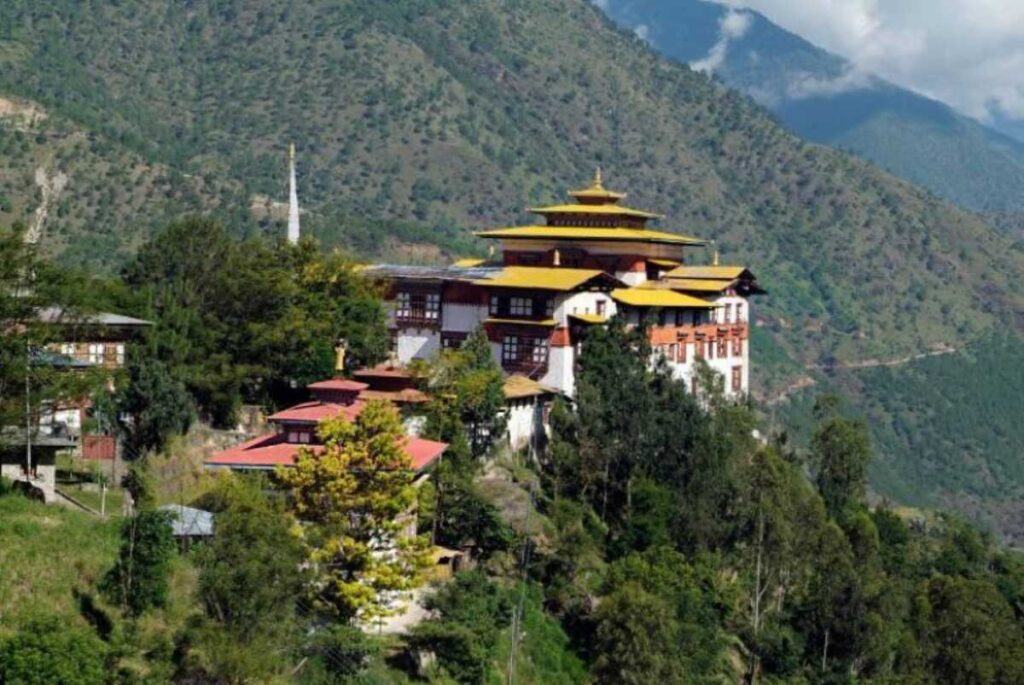
Travellers can explore Gelephu’s hidden spots along the riverside or attend local festivals that reflect southern Bhutan culture. Many hotels accept digital payments like Digital Kidu and Binance Pay, making travel simple.
Buses and taxis connect Gelephu to nearby villages. Visitors should plan their trip around local festival dates to experience real mindfulness, Bhutan style.
The Spiritual East – Woven Traditions
Eastern Bhutan feels calm and deeply rooted in tradition. In its eastern valleys, weaving, prayer chants, and mountain monasteries shape everyday life, offering travellers a warm, cultural journey beyond busy tourist routes.
Lhuentse – The Textile Heartland
In Lhuentse, homes double as weaving studios where colourful Kishuthara textiles slowly take shape. Skilled women pass down patterns through generations, checking each knot carefully to ensure strong silk threads and authentic designs.
Visitors often spend quiet hours watching rhythmic hand movements, hearing wooden looms click, and smelling fresh butter tea served nearby, especially when guided by a Top Bhutan Travel Agency in India that arranges authentic cultural visits. Conversations with artisans create meaningful connections and deeper respect for the craft, turning a simple stop into a memorable Bhutan experience.
- Visit family workshops with local guides for genuine access.
- Buy directly from weavers to support communities.
- Plan travel around the Tshechu festival dates.
Trashigang – Spiritual and Cultural Depths
The hills of Trashigang hold peaceful monasteries, whitewashed dzongs, and quiet villages where monks follow simple daily routines. Morning incense drifts through temple courtyards while deep drum beats echo across valleys during sacred festivals.
Travellers observe respectful rituals and gain rare insight into eastern Bhutan temples and living traditions.
- Choose sunrise viewpoints near hilltop monasteries.
- Ask permission before photographing monks.
- Dress modestly and walk clockwise around shrines.
Together, these eastern regions reveal how weaving, faith, and festivals continue shaping community life, standing among the Most Beautiful Places in Bhutan for their cultural depth and scenic charm. Visitors leave inspired by timeless Himalayan heritage that continues to flourish every single year.
Central Heartland – Quiet Hidden Valleys
Bhutan’s central valleys hold deep history and strong spiritual roots. Places like Tang and Ura feel calm and untouched. They offer a peaceful break from busy towns like Thimphu and Paro.
These valleys are perfect for travellers looking for central Bhutan’s offbeat experiences. They reflect true Bumthang heritage through old homes, monasteries, and simple village life.
Tang Valley – Time-Capsule Bhutan
Tang Valley Bumthang feels like stepping back in time. Stone houses, cobblestone paths, and wide open fields create a quiet setting. Life moves slowly here, and visitors often feel a deep sense of peace.
- Ogyen Choling Palace Museum: A 14th-century manor turned museum. It shows royal life, old tools, and sacred items.
- Local food: Try buckwheat noodles and Puta, a handmade noodle dish loved by locals.
- Best season: Spring brings rhododendron blooms. Autumn skies stay clear and bright.
- Heritage walks: Guided tours explain stories of monks, traders, and village elders.
Tang suits travellers who enjoy reflection, nature, and history together.
Ura Valley – Cloud-Inverted Serenity
Ura Valley trekking trails pass through pine forests and small farms. In early mornings, clouds settle below the hills, creating a magical view. The air smells of pine and fresh herbs.
- Ura Lhakhang: A peaceful temple at the heart of the village.
- Festivals: The Ura Yakchoe festival shows colourful masks and dances.
- Trekking tip: Start early to enjoy cool weather and clear views.
- Local taste: Warm herbal tea and simple farmhouse meals welcome guests warmly.
Bhutan Hidden Spots Travel Tips for 2026
Travelling beyond popular towns needs careful planning. These Bhutan travel tips 2026 help visitors explore lesser-known areas smoothly while managing permits, weather, and payments. The points below focus on practical hidden Bhutan logistics.
- SDF and taxes: The Sustainable Development Fee remains important for remote travel. Budget for SDF Bhutan plus 5% GST when calculating overall Bhutan eco-travel expenses.
- Flights and remote access: Regular flights by Drukair reach main cities, while VIP PC-24 charters help groups access smaller airstrips faster.
- Cashless payments: Many towns now accept Digital Kidu wallets and Binance Pay, useful where ATMs are limited.
- Seasonal access: Treks near Laya open mainly after the spring thaw. “I noticed that Laya treks are only manageable after April when the snow thaws,” experienced trekkers often advise.
- Weather buffers: Always keep one extra travel day for landslides or mountain road closures.
Conclusion – Discover the Quiet Soul of Bhutan
Bhutan is not only about famous monasteries. The real charm appears when travellers step into quiet villages and remote valleys. These peaceful regions show the country’s true rhythm and gentle spiritual life.
Through hidden Bhutan travel, they explore Bhutan valleys slowly, choosing homestays, local festivals, and simple conversations. Such mindful steps create an authentic Bhutan experience beyond crowded sites. An offbeat Bhutan journey teaches respect for traditions and nature. Travellers should visit fewer places, stay longer, and connect with communities. This quiet approach reveals Bhutan’s deeper soul and lasting memories.
Read More Related Post
Frequently Asked Questions
Do hidden regions in Bhutan require special permits?
Most remote valleys are included in the regular guided travel permit. However, trekking routes near border zones may need extra approvals, usually arranged by licensed tour operators in advance.
What is the best season to explore Bhutan’s offbeat valleys?
Spring (March–May) and autumn (September–November) offer clear skies, festivals, and pleasant weather. Winter is quieter and ideal for visiting crane-watching valleys like Phobjikha.
Are hidden spots accessible without trekking?
Many eastern and central valleys are reachable by road. Northern highland villages often require multi-day treks with local guides.
How expensive is visiting remote Bhutan compared to major cities?
Overall costs remain similar because of the Sustainable Development Fee, though longer transport routes can slightly increase package prices.
How many days should travelers plan for exploring hidden Bhutan?
A 7–10 day trip allows travelers to explore central valleys and include at least one remote region comfortably.
Ready to Book Your Bhutan Family Trip?
Let our experts create a custom itinerary for your family — completely free of charge.