
Bhutan Weather in April: Complete Spring Climate & Travel Experience Guide
April in Bhutan feels bright, colourful, and full of life as valleys bloom and mountain skies turn clear. The Bhutan April climate sits between cool winter and warmer summer, making days pleasant and evenings slightly chilly. In most towns, the Bhutan temperature in April ranges from 10°C to 20°C, while higher areas stay cooler. This gentle spring weather in Bhutan offers clear views and fresh air, which is why many travellers plan their trips around this comfortable travel weather in Bhutan. Next, explore how different regions experience April differently.
TL; DR
- Weather: Mild spring climate (≈10–20°C in most towns), warmer valleys and cooler highlands.
- Rain: Occasional short afternoon showers; mornings usually clear.
- Best For: Trekking, festivals (like Paro Tshechu), photography, and cultural travel.
- Packing: Follow the three-layer rule—light base, warm mid-layer, and light rain/wind jacket.
- Why April? A “sweet spot” month with blooming landscapes, good visibility, and comfortable travel conditions across regions.
What Is the Weather Like in Bhutan in April?
April weather in Bhutan feels fresh and comfortable for most travellers. Valley afternoons stay pleasant, nights turn cool, and light showers appear now and then. Overall, the Himalayan weather remains clear and friendly for outdoor plans.
Average Day and Night Temperatures Across Regions
Altitude shapes the Bhutan temperature in April more than the calendar.
- Warmer valleys like Punakha feel around 20–25°C, and light clothing works.
- Mid-elevation towns such as Thimphu stay cooler; evenings need a jacket.
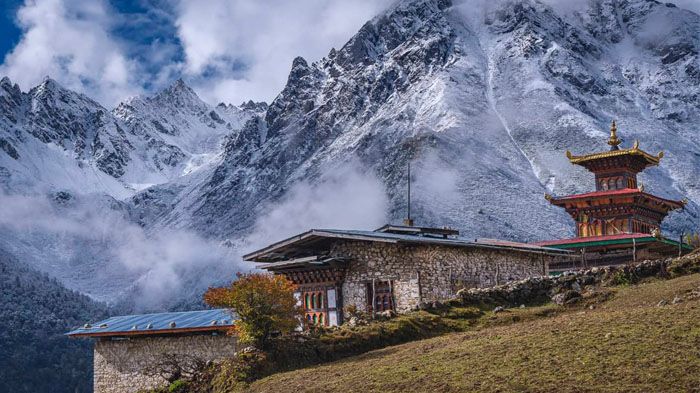
- Higher areas, including Bumthang, drop near 5–10°C at night.
Packing layers keeps travel comfortable across regions.
Does It Rain in April — And Should You Worry?
Light rain in April rarely spoils travel plans. Bhutan rainfall in April usually comes as short afternoon showers, often after 2 PM. Mornings stay clearer, so hikes and sightseeing are best scheduled early.
Air Quality and Himalayan Visibility in Spring
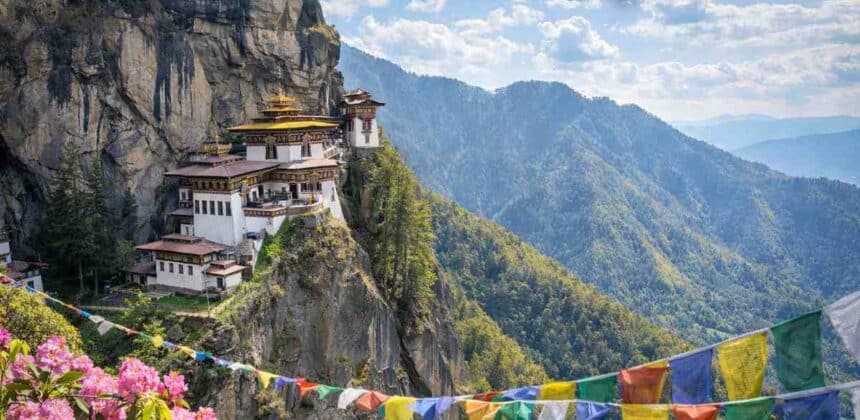
Spring air often feels crisp, giving clear views of peaks and valleys. Early mornings are perfect for seeing Tiger’s Nest Monastery, when skies are brightest and trekking conditions feel comfortable in the spring climate of Bhutan.
If you’re planning a Bhutan trip in 2026, note this important update:
- The Sustainable Development Fee (SDF) remains $100 per person per night.
- From January 1, 2026, a 5% GST now applies to local services such as hotels, guides, transport, and tour packages.
Regional Weather Differences You Must Know Before Booking
Bhutan’s weather shifts quickly from one valley to the next. In April, warm sunshine can fill one town while another still feels close to winter. These changes happen because of Bhutan’s altitude, and it makes a big difference when planning a trip.
Thimphu and Paro: Crisp Mornings, Sunny Afternoons
In Thimphu and Paro, the day often begins with cool, fresh air that makes jackets feel necessary. Early mornings can feel quite chilly, especially before the sun rises over the hills.
By afternoon, the sun warms everything up, and it feels pleasant for walking around town or visiting monasteries. The sky is usually clear, and the sunlight feels stronger than the temperature suggests, so light layers and sunscreen help. This is also festival season in Thimphu and Paro, adding extra colour and energy to the mild spring days.
Punakha: The Warm Spring Escape
In contrast, Punakha’s climate in April feels much warmer and softer. The valley sits lower, so days often feel close to early summer. Purple jacaranda trees bloom beautifully around Punakha Dzong, creating postcard-like views.
Light cotton clothes are usually comfortable here, though a thin layer for evenings is still wise.
Bumthang: Still Holding Onto Winter’s Edge
Further up in the mountains, Bumthang temperature stays cooler, especially after sunset. Nights can feel cold, and early mornings may even bring light frost in some areas.
This region suits:
- Travellers who enjoy cool air.
- Trekkers are prepared with warm layers.
- Visitors who prefer quieter, crisp mountain days.
|
Region |
Day Temperature |
Night Temperature |
Climate Feel |
|
Thimphu |
15–20°C |
5–10°C |
Cool mornings, mild afternoons |
|
Paro |
15–20°C |
5–10°C |
Crisp air, sunny days |
|
Punakha |
20–25°C |
10–15°C |
Warm spring valley weather |
|
Bumthang |
10–18°C |
0–5°C |
Cool days, cold nights |
What to Pack for Bhutan in April (The Three-Layer Rule)
April weather changes quickly, so travellers should dress in layers that can be added or removed during the day. Knowing what to wear in Bhutan in April helps visitors stay comfortable while exploring towns, valleys, and mountain viewpoints.
The Base Layer: Breathable and Light
Comfort starts with clothes that feel soft during warm afternoons. Light fabrics keep the body cool while walking or sightseeing, making them essential for any Bhutan packing list in the spring.
- Cotton or moisture-absorbing T-shirts
- Light long-sleeve tops for sun protection
- Comfortable innerwear suitable for day hikes
These pieces work well when the sun gets stronger by midday.
The Warm Layer: Fleece or Merino for Evenings
Mountain air cools down quickly after sunset, and outdoor dinners can suddenly feel chilly. A thin fleece or merino sweater adds warmth without feeling heavy, offering simple Bhutan layering tips for evenings.
The Shield Layer: Windbreaker or Light Rain Jacket
Sudden breezes and short spring showers appear without warning, especially near hill viewpoints. A light windbreaker or rain jacket is mostly precautionary but very helpful during treks and long drives.
Footwear Matters More Than You Think
Paths often dry by late morning, yet petals and loose dust can make trails slippery. Sturdy walking shoes or light trekking boots keep steps steady and complete the ideal April travel clothes plan.
Is April Festival Season Worth It? Crowd and Cultural Insights
April is one of the liveliest months for cultural travel in Bhutan, bringing colourful events, fresh mountain views, and pleasant weather. It is busy, yet the cultural richness makes the experience memorable for many travellers.
Experiencing Paro Tshechu in Spring Weather
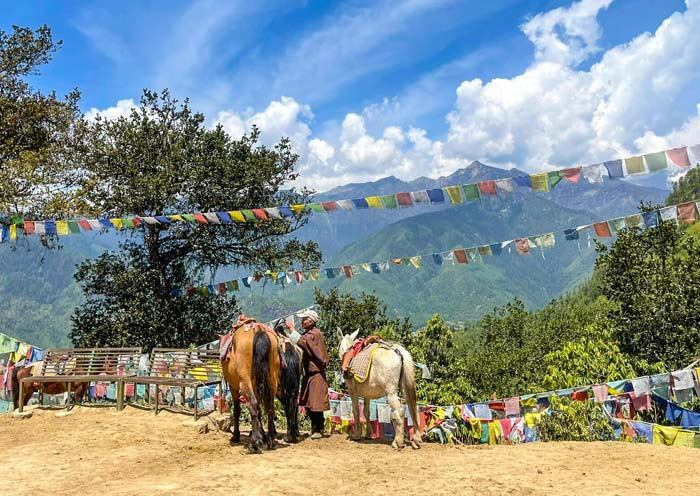
Spring air in Paro feels bright and festive as people gather in traditional dress to celebrate Paro Tshechu in April. Open courtyards fill with masked dances, music, and the smell of local food stalls, creating a lively outdoor atmosphere.
The mild weather makes long festival hours comfortable, with clear skies ideal for photos and sightseeing. Because Bhutan’s peak season in April brings many visitors, booking hotels and permits several months early helps avoid last-minute stress.
Rhododendron Blooms and Botanical Highlights
Mountain trails begin glowing with pink, red, and white rhododendron flowers during the spring festivals in Bhutan, giving the valleys a colourful look. Landscapes appear especially vibrant after morning sunlight touches the hills.
For photography, early morning light offers softer colours and fewer crowds around viewpoints.
Managing Peak Season Smartly
Travellers can still enjoy cultural travel in Bhutan smoothly with small planning steps:
- Reserve hotels and guides well in advance
- Visit the festival grounds early in the morning
- Explore quieter nearby valleys for relaxed sightseeing
Hidden April Factors Most Guides Don’t Mention
April in Bhutan feels pleasant, but a few hidden April factors affect comfort and health. These simple Bhutan travel tips for April visitors should help travellers stay safe, relaxed, and better prepared for changing mountain conditions.
The High-Altitude Sun Is Stronger Than It Feels
Bright mountain sunshine can surprise visitors because the Bhutan altitude sun is much stronger than it seems. The Bhutan UV index often rises quickly, even on cool days. Travellers should use SPF 50 sunscreen, wear sunglasses, and carry a light hat to avoid sunburn and eye strain during long walks in towns and trails.
Dry Mountain Air and Skin Care Needs
April’s dry winds can leave skin and lips uncomfortable, so hydration matters in Bhutan travel advice. Quick care tips
- Drink water often
- Use moisturiser morning and night
- Carry lip balm to prevent cracking gently, especially outdoors at altitude; daily routines help skin stay calm there.
Dress Code for Dzongs and Monasteries
Religious sites follow traditional dress customs, and visitors should respect them when entering Tashichho Dzong and other monasteries.
Do: wear covered shoulders and long pants
Don’t: wear shorts, sleeveless tops, or caps inside quietly and respectfully during visits, please always.
April vs. March and May: Is It the Sweet Spot?
April sits between winter’s last chill and the early build-up of rain, which makes many travellers call it the best month Bhutan spring offers. It brings balance—mild days, fresh air, and blooming valleys without heavy heat or wet weather.
Compared to March: Warmer and More Colourful
When looking at Bhutan March vs April, the shift feels clear and welcome. March can still carry cold mornings and light frost in higher areas. By April, the air turns warmer and more comfortable. Flowers open across hillsides, and trees look brighter and fuller. The bloom season feels stronger, adding colour to towns and trails. Hiking becomes easier, too, with fewer icy paths and longer daylight hours. April simply feels more alive and pleasant.
Compared to May: Drier and Clearer Skies
In the Bhutan travel season comparison, April stands out against Bhutan May weather. May starts to feel warmer and slightly humid as rain slowly builds up. April, on the other hand, stays fresher and drier. Skies are often clearer, giving better mountain views and sharp photos.
Who Should Travel to Bhutan in April?
April does not suit every traveller equally, yet it offers special rewards for certain visitors. Pleasant weather, blooming valleys, and lively local events make this period especially appealing for those seeking nature, culture, and colourful experiences.
Ideal for Trekkers and Hikers
Mountain paths feel inviting as spring settles across the hills, making it a highlight of the Bhutan hiking season.
- Mild temperatures keep walks comfortable.
- Flower-covered slopes brighten every step.
- Many routes stay open, with mostly dry trails.
Perfect for Cultural Explorers
Town squares and monasteries come alive with festivals and local gatherings. Comfortable weather allows easy visits to temples, village markets, and traditional performances, making Bhutan cultural travel deeply memorable.
A Dream for Photographers
Bright mornings and colourful valleys create striking scenes. Snow peaks stand sharp against blue skies, turning April into a true Bhutan photography month for vivid mountain shots.
For the best travelers April in Bhutan welcomes those seeking nature, culture, and colour in one journey.
Final Thoughts
April offers one of the most balanced travel windows in Bhutan—pleasant daytime temperatures, blooming valleys, colourful festivals, and generally clear mountain views. While occasional afternoon showers and cooler evenings require layered clothing, the overall experience combines comfortable weather with rich cultural and natural beauty. For travellers seeking a mix of trekking, photography, and festival experiences without heavy summer rains or winter cold, April remains one of the most rewarding months to visit.
You can also find Bharati Tours on Google My Business (GMB) to check verified reviews, compare prices, and explore real customer photos before booking your Dooars adventure.
Read More Related Post
- River Rafting in Teesta
- Dooars Jungle Safari
- White Water Rafting in Teesta River
- Tourist Spot at Dooars
- Dooars Tourist Places
Bhutan Weather in March
Bhutan Weather in May
Frequently Asked Questions
Is April the best month to visit Bhutan for the weather?
April is widely seen as one of the best months, with mild days, blooming valleys, and clear mountain views overall for travellers. See the month comparison section.
Will I need heavy winter clothing in April?
Heavy winter clothing is usually unnecessary in valleys, but light warm layers help during cool mornings and evenings. Check the packing section for daily use.
Does Bhutan experience heavy rainfall in April?
Rainfall is generally light in April, often brief afternoon showers rather than long storms. Carry a small umbrella or rain jacket just in case.
Are April travel costs higher due to peak season?
April sits in the busy travel season, so some hotels may cost slightly more. Booking early usually secures better room choices during peak weeks.
Is April suitable for trekking and outdoor activities?
Outdoor activities and trekking suit April well, thanks to pleasant daytime temperatures, colourful spring landscapes, and clear trails. See trekking and weather sections for details.
Ready to Book Your Bhutan Family Trip?
Let our experts create a custom itinerary for your family — completely free of charge.