
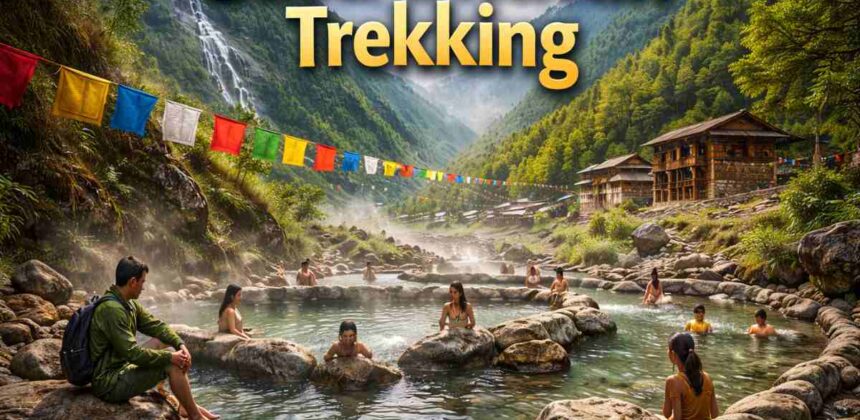
Gasa Bhutan Trekking

Gasa Bhutan Trekking: Hidden Himalayas Guide 2026
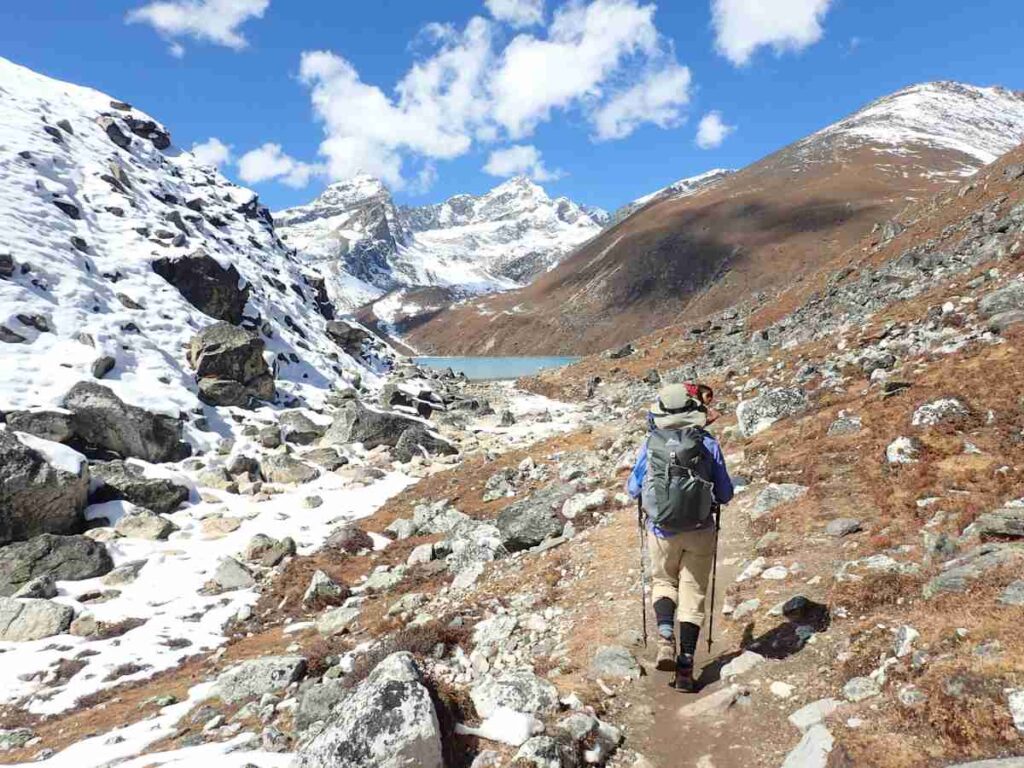
Cold mountain air meets rising steam as trekkers reach warm pools hidden deep in northern Bhutan. This trail blends adventure with healing baths, making it one of the region’s most peaceful journeys.

Boots dry on river stones while mineral water warms tired legs. Gasa Bhutan trek leads through Jigme Dorji National Park to the famous Gasa Tsachhu, known for soothing dips after long walks.

Trekkers pay the 2026 SDF ($100 nightly) plus 5% GST on services. This Bhutan wellness trek rewards effort with quiet valleys and remote Himalayan hot springs, offering both nature and relaxation in one journey.

Is Gasa Hot Springs Worth the Trek?

Reaching Gasa Tsachhu rewards travellers who enjoy quiet nature more than luxury comfort. Set at about 2,240m, the springs offer a peaceful Bhutan hot springs experience with very little commercial development.

Quick take:

  • Ideal for Bhutan wellness travel focused on nature
  • Around eight simple stone pools beside the river
  • Part of the Jigme Dorji National Park trek route
  • Raw, local, and far from spa-style tourism

What Makes Gasa Different From Other Himalayan Treks?

Most Himalayan hikes aim for peaks, but this journey ends with warm water and rest. During Bhutan Weather in May, the trail feels fresh and clear. Locals use the pools daily, giving it a genuine touch. Perfect for slow travellers who value culture, calm, and connection.

What Makes Gasa Different From Other Himalayan Treks?

The Setting: Steam, River, and Fortress Views

Soft steam rises from pools beside the rushing Mo Chhu River, while pine-scented air fills the valley. On clear days, Gasa Dzong appears above the hills.

  • Smell: light sulfur scent
  • Sound: flowing river

Touch: warm mineral water

When It’s Not Worth It

Those expecting luxury changing rooms or quick road access may feel disappointed. As one of the Top Hidden Spots in Bhutan, this place rewards patience over comfort, offering raw nature, simple facilities, and an authentic Himalayan experience.

  • Basic facilities only
  • Cold winter walks to pools
  • Limited comfort services

The Road (and Trail) to Gasa in 2026

Travel to Gasa now feels smoother thanks to better roads, yet the final stretch still keeps the classic mountain charm. Most visitors combine a scenic drive with the short Damji to Gasa hike along the peaceful Mo Chhu valley trail.

Step 1 – Drive to Damji via Punakha Valley

The journey begins with a winding drive from Punakha to Damji, usually taking four to five hours. Roads slowly narrow, forests grow thicker, and traffic becomes rare as the route approaches Jigme Dorji National Park.
Carrying motion-sickness tablets helps on the curving mountain sections.

Step 2 – The Descent to the Springs

From Damji, the downhill trail winds through bamboo and oak forests toward the valley floor. During Bhutan Weather in March, the air feels crisp and the skies are often clear, making the 40–60 minute descent especially scenic. Uneven stone steps and the growing sound of the river guide the way. Trekking poles are helpful for older travellers to maintain balance and comfort.

Do You Still Need a Guide in 2026?

Travel rules remain clear: most foreign visitors still need a licensed guide in Bhutan in 2026 when travelling beyond Thimphu or Paro, along with a Bhutan trekking permit.

Current fees (2026):

  • Sustainable Development Fee: USD 100 per night
  • 5% GST on local travel services (added January 2026)

The SDF is a national tourism charge, while GST applies only to booked services like guides, transport, and lodging.

What Are the Gasa Tsachhu Pools Actually Like?

Hidden in the mountains of Bhutan, the Gasa hot spring pools offer warm mineral waters where travellers and villagers soak for rest and traditional healing. During Bhutan Weather in February, the crisp mountain air makes the steaming pools even more inviting, creating a peaceful contrast between cold surroundings and soothing warmth after long, tiring journeys.

Pool Temperatures and Local Beliefs

Different stone basins sit side by side, each kept at a slightly different warmth, and locals connect every pool with simple health beliefs passed through families.

  • Mild pool (38–39°C): gentle soaking for tired muscles.
  • Medium pool (40–41°C): believed to ease joint stiffness.
  • Hottest pool (around 42°C): said to help skin cleansing traditions.

These ideas reflect traditional Bhutanese healing customs respected by visitors.

The Social Etiquette of Soaking

Quiet behaviour is expected because many residents come for relief, prayer, and peaceful conversation during daily visits.

  • Wear modest clothing or provide wraps.
  • Keep voices low; avoid loud music or photos without permission.
  • Move respectfully around nearby chortens, often clockwise.

Splashing, drinking alcohol, or playful jumping is discouraged.

The Sensory Reality (Sulfur, Steam, Stone)

Steam rises softly from the pools, carrying a mild sulfur scent that first surprises newcomers. Smooth stones feel warm under bare feet as cool river air drifts through the mist. Even during Bhutan Weather in Summer, the mountain silence and gentle breeze create a refreshing contrast to the warm mineral waters. Despite the scent, the calm soak feels deeply rewarding, and though reaching these springs takes effort, visitors often return happily.

Budgeting for Gasa Trekking in 2026

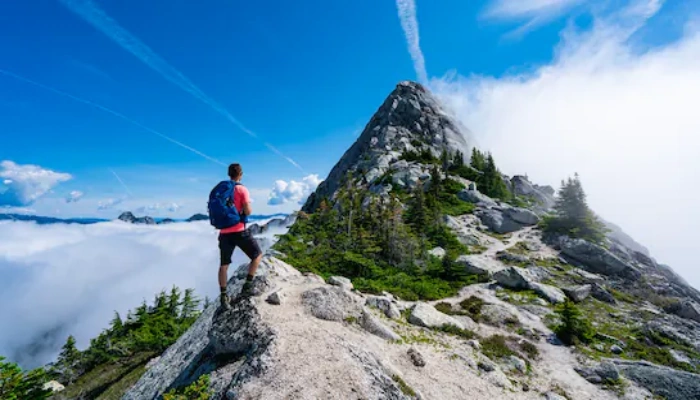
Planning a walk through Gasa’s quiet valleys starts with knowing the real numbers behind the trip. Anyone thinking about Bhutan travel cost 2026 should understand the main fees before setting their Bhutan trekking budget.
Budgeting for Gasa Trekking in 2026

  • Sustainable Development Fee Bhutan: USD $100 per night.
  • Guide fee: Paid per day, price depends on group size.
  • Vehicle cost: Needed for transfers to and from the trail.
  • Bhutan GST 5%: Added to services like hotels, guides, and transport.
  • Important: GST does not apply to the SDF.

For example, on a 3-day trek, SDF would be $300 total. Then add guide and vehicle charges. After that, 5% GST is added only to those service costs, not to the SDF. This helps travellers clearly plan their Bhutan trekking budget without confusion.

SDF vs. GST – What’s the Difference?

Many travellers mix up these two charges, but they serve very different purposes.

SDF (Sustainable Development Fee Bhutan):

  • $100 per night

  • Supports schools, health care, and nature protection

  • Paid per person

  • No GST added

Bhutan GST 5%:

  • Added to hotel, guide, and transport services

  • Starts from January 1, 2026

  • Not charged on SDF

If a hotel costs $200, GST adds $10. But the $100 SDF stays exactly $100.

Where Your Money Actually Goes

That daily SDF is more than just a travel fee. It helps protect forests, wildlife, and mountain trails around Gasa. It also supports schools and clinics in local towns.

Money from trekking services helps families who work as guides, drivers, and camp staff. It also supports the care of national parks and clean mountain springs. In this way, every visitor quietly supports Bhutan’s land and people.

Cultural Roots: Why These Waters Matter to Bhutanese Life

High in the quiet hills of Bhutan, these warm springs are more than just places to bathe—they are part of daily faith and local life. Many people believe the waters carry blessings linked to old Bhutan spiritual traditions and stories from the past.

The Legend Behind the Springs

Long ago, people said that Zhabdrung Ngawang Namgyel visited this region during his travels. As the story goes, he blessed the land, and the hot springs began to flow with healing power. This tale is still shared among families and monks with deep respect.

Because of this legend, many believe the springs are a gift meant to heal both body and mind. The story is closely tied to Gasa Dzong’s history, reminding people of their roots. Even today, villagers visit every year, trusting the Bhutan healing waters to ease pain and bring peace.

Gasa as a Living Community, Not a Tourist Stop

Life around the springs moves at a calm and steady pace, shaped by nearby farms and mountain homes. In Gasa, elders soak their tired joints while farmers rest after long days in the fields. Visitors may come and go, but the springs mainly serve local people.

For many families, bathing here is part of Bhutan’s spiritual traditions and the country’s belief in simple happiness, often linked to Gross National Happiness. Respecting this space means seeing it as a place of healing first, and travel second.

Packing Smart for High-Altitude Soaking

Packing for remote mountain hot springs means carrying a few smart extras. This short hot spring packing list shares Bhutan trekking gear ideas, simple Himalayan wellness travel tips, and practical Gasa trek essentials.

Clothing You’ll Actually Use

Warm layers feel vital after stepping out of steaming pools.

  • Light thermal base layer — keeps the body warm quickly
  • Modest swimwear — respectful and comfortable
  • Wool sweater or fleece — easy warmth

Waterproof jacket — blocks wind during the walk back

Small Items That Make a Big Difference

A few tiny items save time and hassle at Misty Springs.

  • Bright, quick-dry towel — easy to spot, dries fast
  • Grip sandals — safer on wet stones
  • Reusable water bottle — helps stay hydrated
  • Basic blister kit — treats small foot problems
  • Ziplock bags — protect phone and camera

Best Time to Visit Gasa Hot Springs

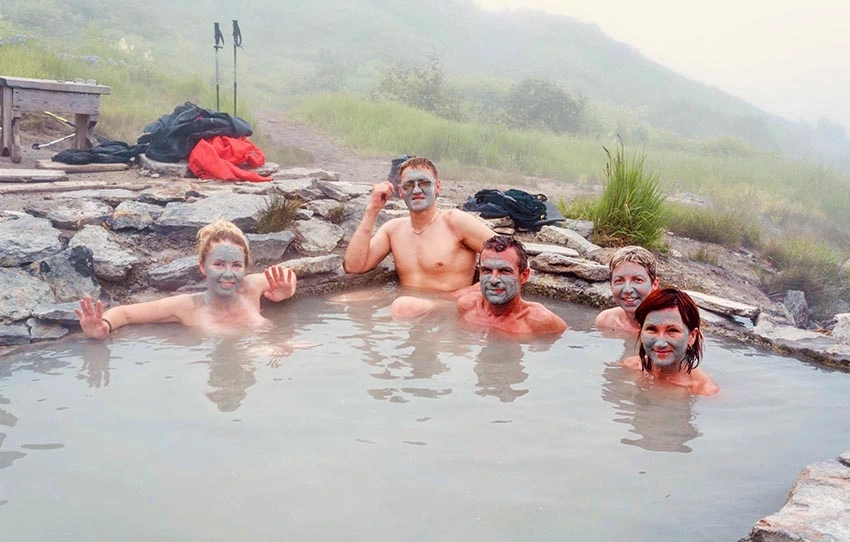
Choosing the right months makes the journey to the springs far more enjoyable. The best season for the Gasa trek falls between October and March in Bhutan, when Himalayan trekking weather stays dry, cool, and comfortable.
Best Time to Visit Gasa Hot Springs

Autumn & Winter (Peak Experience)

Autumn and winter bring the peak experience, with crisp mornings and warm pools creating strong steam scenes.

  • Clear skies improve mountain views.
  • Firm, dry trails make walking easier.
  • Bhutan’s winter hot springs feel more relaxing against the chilly air.
  • Day temperatures often range from 5°C to 15°C.

Monsoon Considerations

Monsoon months change the trek completely, bringing wet ground and slower travel.

  • June to August paths become slippery, with leeches in forest sections.
  • Heavy rain may delay roads and flights.
  • Only experienced trekkers comfortable with rough conditions may enjoy this period.

Planning around these months improves safety and enjoyment for most visitors on trails greatly.

Final Thoughts: Trekking for Warmth in a Cold Place

Gasa shows how slow travel can warm both body and mind, turning a simple walk into a deeper Bhutan mindful travel moment within a peaceful, remote Bhutan experience, far from crowded tourist paths.

This quiet region shapes a gentle Himalayan wellness journey, where each step invites calm thinking and meaningful pauses. A thoughtful Gasa trekking reflection reminds travellers that the real reward is not distance covered, but the stillness discovered along the way.

Pack patience, not expectations—the mountains share their best moments only with unhurried visitors.

You can also find Bharati Tours on Google My Business (GMB) to check verified reviews, compare prices, and explore real customer photos before booking your Dooars adventure.
 

Leave a Reply

Your email address will not be published. Required fields are marked *

Sign in to your account

Sign up to your account